



You have probably heard the term ‘thread count’ mentioned a lot when shopping for new bedding, but what does it actually mean for your comfort? Simply put, thread count is the total number of threads woven together in one square centimetre of fabric.
While a higher number can point towards a smoother, more substantial feel, it is really just one piece of the puzzle when it comes to what makes sheets feel truly luxurious.
What Does Thread Count Mean for Your Sheets?
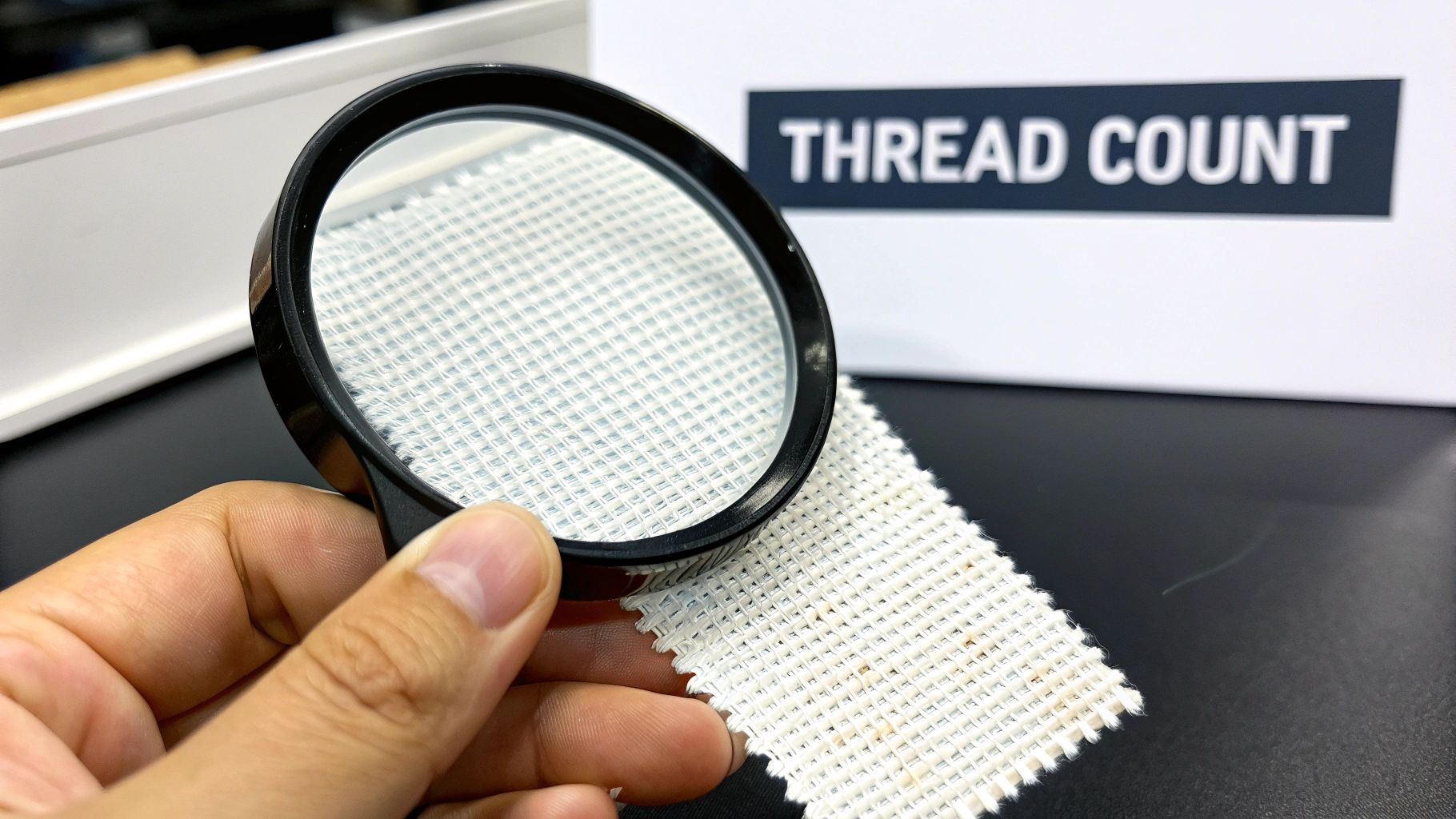
Imagine weaving a basket. The more individual strands you use, the tighter and smoother the surface feels. Thread count works on the same principle. It is a simple calculation of the number of horizontal threads (the weft) plus the number of vertical threads (the warp) within that small square of fabric.
This measurement gives you a decent starting point for judging how a fabric might feel. A sheet with a higher thread count will almost always feel softer and more durable than one with a very low count, which is why this one little number has become such a popular benchmark for quality.
Why It Matters to Your Comfort
The real magic happens when you connect thread count to how you want your bed to feel. A denser weave, which is what a higher thread count creates, results in that beautifully smooth, silky surface that feels incredible against your skin. It is the reason this technical detail has become so important for anyone looking to create a cosy bed.
A good thread count can transform your bed from just a place to sleep into a true sanctuary. It is all about that lovely feeling of slipping into soft, inviting sheets at the end of a long day, a simple luxury everyone deserves.
The search for this kind of everyday comfort is definitely on the rise. Here in the UK, the quality bed linen market is booming, with a current value of USD 5.44 billion. It is only expected to grow as more of us decide to invest in a better night's sleep. In fact, bed linen already makes up over 63% of the entire home linen market, which just goes to show how much we prioritise our rest. You can find more details on this trend in market insights from Mordor Intelligence.
At the end of the day, thread count is a useful guide, but it is most effective when considered alongside other crucial factors, like the quality of the cotton and the type of weave used to create the perfect feel.
The Myth of High Thread Count Sheets
For years, we have been led to believe that a higher thread count is the ultimate sign of better sheets. It seems logical, right? More threads must mean more luxury. But this is one of the biggest myths in the world of bedding. An 800 or 1000 thread count sheet is not automatically superior to a beautifully made 400 thread count one.
The truth is, genuine quality comes from a perfect balance of three key things: the quality of the yarn, the type of cotton used, and the style of the weave. Once you understand this, you can shop for sheets with a whole new level of confidence.
How the Numbers Can Be Misleading
So, how do some brands manage to claim such sky high thread counts? It often comes down to a clever bit of maths. They take thinner, lower quality threads and twist them together to create a single strand. This is what is known in the industry as using multi ply yarns.
While this technique does cram more threads into a square centimetre and inflate the final number, it does nothing to improve the feel. In fact, it often does the opposite. These sheets can end up feeling heavy, stiff, and far less breathable. They are also usually less durable, as the weaker, shorter fibres are more prone to pilling and breaking down over time. It is a classic case of quantity over quality.
Think of it like baking a cake. A beautiful cake made with premium, high quality ingredients will always taste better than one made with cheap ingredients, even if that second cake has more layers piled on top. The substance of the materials is what truly counts.
What Really Creates a Luxurious Feel
Instead of getting fixated on one number, the secret to genuinely luxurious bedding lies in the details that marketing often glosses over. The quality of the raw materials is far more important than the thread count alone.
Here is what truly makes a difference:
- Yarn Quality: Single ply yarns made from long staple cotton fibres are the gold standard. These long, smooth fibres create a stronger, softer, and more durable thread, which results in heavenly soft sheets that last.
- Fabric Weave: The way the threads are woven together dramatically changes how the fabric feels against your skin. A crisp percale weave offers a cool, breathable feel, while a sateen weave provides that silky, lustrous finish many of us adore.
- Finishing Touches: The final processes, like how the fabric is treated and sewn, also play a huge role in the overall quality and longevity of your bedding.
By looking beyond the thread count, you can start to appreciate the craftsmanship that goes into truly exceptional sheets. It empowers you to invest in genuine comfort and quality that you will enjoy for years to come.
How to Choose Your Ideal Thread Count
So, we have unpacked what thread count really means and why chasing the highest number is often a mistake. Now for the best bit: finding the perfect sheets that feel absolutely right for you. This part is all about personal preference and matching the fabric to your ideal sleep experience.
The perfect thread count is not a single, magic number. It is more of a ‘sweet spot’ that changes depending on the fabric and its weave. A number that feels blissful in one material might feel stuffy or even a bit rough in another. It all comes back to the quality of the cotton and how the threads are woven together.
This simple flowchart breaks down the most critical first step, illustrating why the quality of the yarn itself is the real starting point for finding incredible sheets.
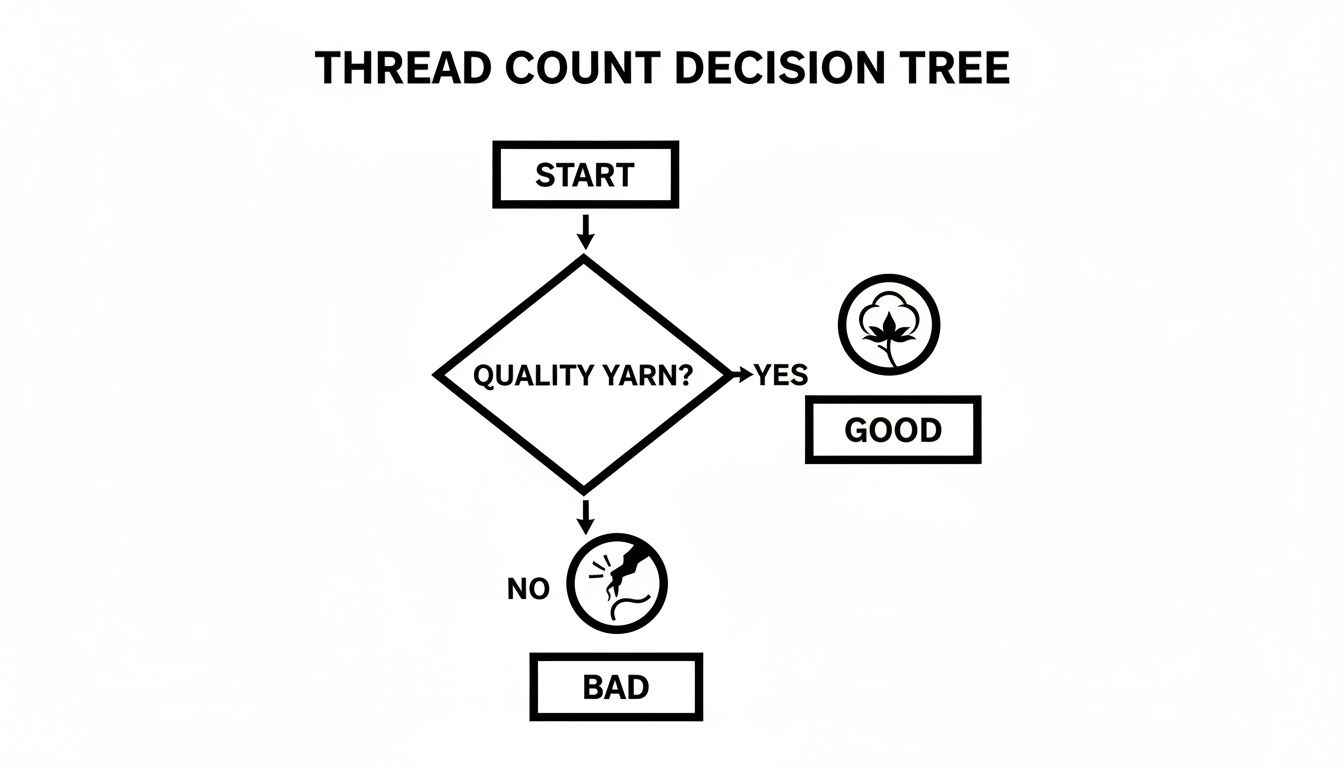
As you can see, starting with high quality yarn is the only path to creating bedding that is both comfortable and durable, no matter what the final thread count is.
Finding Your Perfect Feel
To choose with confidence, it helps to know what you are looking for. Do you love that feeling of sinking into a silky, smooth bed? Or do you prefer the light, crisp sensation of classic hotel style bedding? Answering that simple question is the best way to narrow down your options.
It is clear we value this comfort more than ever. UK home textile enthusiasts are part of a market currently valued at £4.61 billion, which is projected to climb to £5.63 billion by 2032. This trend shows a definite shift away from flimsy, low count sheets and towards durable, buttery soft options that promise a much better night’s sleep.
Ideal Thread Count by Fabric Type
Here is a quick reference guide to help you choose the best thread count based on the fabric and the feel you are after. Sticking to these sweet spots ensures you get the best balance of softness, breathability, and durability.
| Fabric Type | Ideal Thread Count Range | What It Feels Like |
|---|---|---|
| Cotton Percale | 200-400 | Light, crisp, and cool, like a freshly ironed shirt. |
| Cotton Sateen | 300-600 | Silky, smooth, and lustrous with a luxurious drape. |
| Egyptian Cotton | 400-700 | Exceptionally soft, strong, and breathable. Pure indulgence. |
As you can see, different fabrics really shine within specific thread count ranges. A 300 thread count in a crisp percale weave will feel completely different to a 300 thread count in a silky sateen. It is all about finding the right combination for your personal comfort.
Choosing the right thread count is less about finding the highest number and more about matching the fabric's characteristics to what you love.
Ultimately, understanding the best fabric for sheets is just as crucial as the thread count itself. For a deeper look into the materials, you might find our guide on the best fabric for sheets helpful. By combining this knowledge, you are well on your way to selecting bedding that will genuinely transform your sleep.
Why Weave and Cotton Quality Matter More
While thread count gets a lot of the limelight, it really only gives you a hint of what a sheet will feel like. The true character of your bedding, what makes it feel absolutely divine, comes down to two other superstars: the weave of the fabric and the quality of the cotton itself.
Think of it like baking a cake. Thread count is just the number of ingredients, but the weave is the recipe. It is how those threads are put together, and it completely changes the texture, durability, and even the look of the finished fabric.
The Magic of the Weave
Understanding the weave is your secret weapon. It allows you to choose sheets based on the feeling you are after, which is a far more reliable path to comfort than chasing a high number. The two most popular weaves you will find are percale and sateen, and they could not feel more different.
Here is a simple way to think about them:
- Percale Weave: This is a classic one thread over, one thread under grid pattern. It creates a light, crisp, and incredibly breathable fabric with a cool, matte finish. If you love that fresh, hotel sheet feeling when you slip into bed, percale is definitely your style. Find out more in our guide to what is cotton percale.
- Sateen Weave: This weave is a bit more intricate, often using a four over, one under pattern. This clever technique exposes more thread on the surface, which is what gives sateen its signature silky smooth feel and a beautiful, subtle lustre. It drapes gorgeously and feels exceptionally soft against the skin.
Why Cotton Quality Is Crucial
Now, let's talk about the main ingredient itself: the cotton. Not all cotton is created equal, and the most significant difference lies in the length of its fibres, known as the staple length.
Imagine trying to spin a strong, smooth thread from short, fluffy bits of cotton versus long, silky strands. The longer strands will naturally create a finer, stronger, and much softer yarn. It is exactly the same with bedding.
Long staple cottons, like premium Egyptian or Pima, produce yarns that are noticeably stronger and more resistant to pilling. This inherent quality means they not only feel better from the very first night but also stand the test of time.
When you combine high quality, long staple cotton with a masterful weave, you get sheets that offer superior comfort and durability, whether the thread count is 300 or 600.
This appreciation for premium materials is a growing trend in the UK. We are seeing a real shift as more people realise the value of investing in high quality bedding. In fact, the market for luxury bedding is expected to reach an impressive USD 138.5 million by 2035. This demand is largely driven by the desire for bed linens made with 400+ thread count Egyptian cotton, celebrated for their ability to enhance comfort and promote a better night's sleep.
Keeping Your Sheets Soft and Beautiful
So, you have invested in a beautiful set of high quality sheets. What's next? The secret to keeping that wonderfully soft, brand new feeling for years to come is all in the care. A little attention goes a long way, ensuring every night feels just as luxurious as the first.
Proper care is all about protecting the delicate cotton fibres that give your bedding its special touch. Thankfully, it is much simpler than you might think, and it makes a huge difference to the lifespan and comfort of your favourite sheets.
Simple Washing for Lasting Softness
When it comes to washing your sheets, a gentle approach is always best. Think of it as preserving the fine threads that create that lovely feel against your skin. Harsh washing puts stress on the fabric, which can lead to premature wear and tear.
For the best results, always wash your sheets on a gentle cycle using cool or warm water, never hot. High temperatures can cause those delicate cotton fibres to shrink and weaken, taking away from their natural softness. Stick with a mild, liquid detergent to clean them gently without leaving any residue behind.
Protecting your investment in comfort is straightforward. A gentle wash and avoiding harsh chemicals are the two most important steps to keeping your sheets feeling soft, breathable, and beautiful for the long haul.
By treating them with care, you are helping maintain the integrity of the weave and the natural softness of the cotton. You can find more detailed advice in our guide on how to wash bed sheets correctly.
Drying Tips and What to Avoid
How you dry your sheets is just as crucial as how you wash them. The goal is to remove the moisture without ‘baking’ the fabric, which is what makes it feel brittle and scratchy over time.
Whenever possible, line drying is the kindest method for your bedding. Not only does the fresh air keep them smelling wonderful, but the gentle drying process is also ideal for the fibres. If you need to use a tumble dryer, always opt for a low heat setting. A great tip is to pull them out while they are still slightly damp to prevent over drying and minimise wrinkles.
To keep your sheets in pristine condition, there are a few things you should always try to steer clear of:
- Fabric Softeners and Dryer Sheets: It sounds counterintuitive, but these products often leave a waxy coating on the threads. This film builds up over time, which actually reduces the fabric's natural softness and breathability.
- Harsh Chemicals and Bleach: Strong cleaning agents are the enemy of delicate cotton. They can weaken and discolour the fibres, ultimately shortening the life of your bedding.
- Overloading the Machine: Give your sheets plenty of room to move in both the washer and dryer. This ensures a more thorough clean and even drying, which helps prevent them from getting excessively tangled and wrinkled.
Creating Your Ultimate Sleep Sanctuary
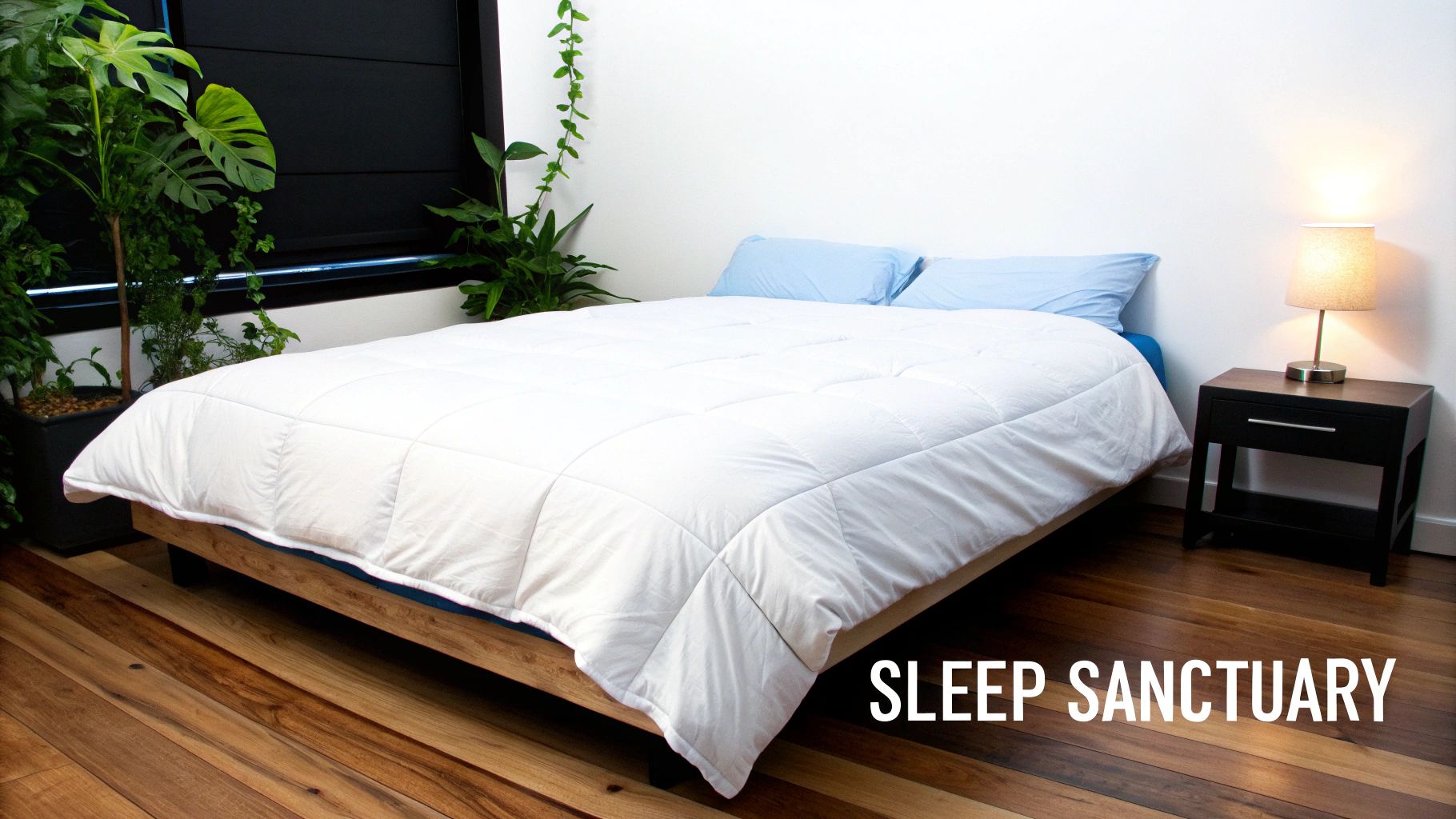
Choosing the right sheets is about so much more than thread count. It is about realising that the quality of the cotton and the style of the weave are what truly create that blissful feeling when you slide into bed at night. When you have that understanding, shopping for bedding stops being a guessing game and becomes an act of self care.
Once you have found the perfect sheets, you can start designing a space that feels like a genuine retreat from the outside world. This is where your personal style can really shine.
Bringing Your Vision to Life
Crafting a sanctuary is a deeply personal journey. It is all about layering textures and colours to build an atmosphere that feels both calming and completely you. Pairing your soft, breathable sheets with a warm, cloud like quilt is the perfect way to finish it all off.
The ultimate goal is to create a bedroom that beckons you to unwind and recharge. It should be a place where comfort and style meet, making your home feel every bit as good as it looks.
For a little more inspiration on how to put it all together, have a look at our guide to beautiful bedroom styling ideas.
Of course, a restful atmosphere involves more than just beautiful bedding. You can enhance your bedtime rituals by engaging all the senses, even using candles for sleeping can add a gentle glow and a calming scent. Taking this holistic approach ensures every last detail contributes to your perfect night’s rest.
Your Questions Answered
We have covered a lot of ground, but it is natural to still have a few things you are wondering about. Let's tackle some of the most common questions we hear about thread count, so you can feel completely confident when choosing your next set of sheets.
Are 1000 Thread Count Sheets Worth Buying?
Honestly, probably not. While a 1000 thread count sounds incredibly luxurious, it is often more of a marketing gimmick than a genuine measure of quality. To reach such a high number, manufacturers sometimes use whisper thin, lower quality threads twisted together. The result? Sheets that can feel surprisingly heavy, stiff, and far less breathable than you would expect.
You will almost always find that a sheet made from premium, single ply yarn, like a beautiful long staple Egyptian cotton, in the 400-600 thread count range feels significantly softer, breathes better, and will outlast its over inflated counterpart.
How Often Should I Replace My Bed Sheets?
With proper care, a truly well made set of sheets can be a companion for several years. You will know it is time for a change when you start to see the tell tale signs of a life well lived: the fabric might feel thin in places, you could spot some fraying along the edges, or perhaps a stubborn discolouration just will not budge.
Investing in bedding crafted from strong, high quality fibres within an optimal thread count range really does extend its life, making it a smart and satisfying choice for your bedroom.
Does Thread Count Affect How Warm Sheets Are?
Yes, it definitely plays a role. Think of it this way: a higher thread count means the threads are packed together more tightly. This dense weave traps more air, which in turn insulates and can make the sheets feel warmer. That might be just the ticket for a chilly winter night, but it could feel a bit stifling in summer.
But remember, the weave is just as important. A crisp percale weave, for instance, is naturally more open and breathable, making it feel cooler to the touch. A silky sateen, on the other hand, has a closer structure that drapes beautifully but retains a little more warmth, making it a great all rounder.
At Morgan & Reid, we believe that true comfort is born from quality you can feel, night after night. Discover our curated collection of beautiful bedding and create the cosy sanctuary you deserve. Find your perfect set at Morgan & Reid.
Share:
Single Duvet Size in Inches: Your Guide to the Perfect Fit
What is cotton percale fabric? A Guide to Crisp, Cool Bedding