


When you hear the term thread count, try not to get lost in the numbers. It is simply a way to measure how tightly woven your bedding fabric is. Picture a tiny one-inch square of a sheet. The thread count is the total number of threads, both horizontal and vertical, packed into that small space.
A higher number generally means a denser weave, which has a big impact on how your sheets feel against your skin and how well you sleep.
How Thread Count Affects Your Bedding
When you’re shopping for new sheets, the numbers on the packaging can be confusing. 200, 400, 1000, what’s the real difference? Understanding what thread count actually means is the first step towards finding bedding that offers genuine comfort and helps you get the restorative night’s sleep you deserve.
At its most basic, thread count influences a few qualities you will notice straight away. A denser fabric usually feels softer and smoother to the touch. It also plays a role in how durable your sheets are, since a tighter construction is better at withstanding years of washing and use. This is why investing in well made, luxurious bed linens can make all the difference to your sleep sanctuary.
The Impact on Comfort and Feel
The right thread count can be the difference between a good night's sleep and a great one. A higher count, for instance, often gives sheets a silkier, more substantial feel that drapes elegantly over your bed. But it is not just about the feel, it affects the practical side of things, too.
- Softness: A higher count can lead to a softer surface, but this is only true if the threads themselves are of high quality.
- Breathability: Be careful with extremely high thread counts. A super dense weave can sometimes make sheets less breathable, trapping heat, which is a key consideration for anyone who tends to sleep warm.
- Durability: A well balanced thread count creates a stronger fabric that holds up beautifully over time, resisting wear and tear so your favourite sheets stay lovely for years.
The secret is not just a bigger number. Finding that perfect balance is what matters. The best bedding comes from understanding how thread count, fabric quality, and weave all work together.
Finding the Sweet Spot for Quality
For those of us shopping in the UK, understanding thread count is crucial for seeing past the marketing hype. You might see numbers soaring past 800 or even 1000, but the sweet spot for luxury and longevity is often in a more modest range.
Leading consumer guides consistently find that premium cotton sheets with a thread count between 300 and 500 offer the best combination of sublime softness and lasting durability. This insight helps you to choose bedding that delivers true, lasting value, not just a big number on the label.
Why a Higher Thread Count Is Not Always Better
When it comes to buying bed linen, we have all been taught to think that a bigger number on the label means better quality. It is one of the most persistent myths in the textile world, but the truth is, genuine comfort comes from the quality of the threads, not just the quantity packed into a square inch.
The secret to this marketing trick lies in how some manufacturers inflate their numbers, and it all comes down to the difference between single ply and multi ply yarns.
Imagine you are trying to make a strong rope. You could start with one thick, robust, and smooth strand. That is your single ply yarn. It is strong and consistent from end to end.
Now, imagine taking several thinner, weaker strands and twisting them together to make a rope of the same thickness. That is a multi ply yarn. It might look thick, but it is not necessarily stronger or smoother. In fact, it is often coarser and more likely to fray over time. The exact same principle applies to the threads in your sheets.
The Problem with Inflated Numbers
So, how does this clever trick affect the number you see on the packaging? Manufacturers using cheaper, multi ply threads can count each individual strand within the yarn. A sheet woven from two ply yarns suddenly has its thread count doubled. What should honestly be labelled as a 500 thread count fabric can be marketed as 1000 TC. It sounds far more luxurious, but it is a misleading figure that does not reflect true quality.
You will find that high thread count sheets made from weak, multi ply threads often feel stiff, heavy, and coarse, and they certainly do not get softer with every wash. A set of 400 thread count sheets made from high quality, single ply cotton will feel significantly smoother, breathe better, and last much longer than a 1000 thread count set made from inferior materials.
This is precisely why focusing only on the number can lead you astray. While many believe a higher thread count equals superior quality, it is a common misconception, as many textile experts explain when discussing what is the best thread count for sheets. True luxury is rooted in the fineness and strength of the individual fibres.
Why Quality Yarn Is the Real Hero
It all starts with the raw material. High quality, long staple cotton fibres, like those found in premium Egyptian cotton, can be spun into incredibly fine, yet exceptionally strong, single ply yarns. These are the building blocks of a fabric that feels both soft and buttery against the skin while being remarkably durable. They are the foundation of bedding that gets better with time.
When you are choosing your next set of sheets, here’s what to focus on instead of just the thread count:
- Fibre Type: Always look for long staple cottons. They produce the finest, strongest, and softest yarns.
- Ply: Single ply is the hallmark of a high quality yarn that is naturally strong and does not need to be artificially bulked up.
- Weave: How the threads are woven together also dramatically changes the feel. A sateen weave, for instance, results in a silkier, smoother finish with a subtle lustre. You can discover more about how the sateen weave affects bedding comfort in our guide.
By looking past the marketing hype and understanding what really creates beautiful bedding, you can invest in true, lasting quality. It is about choosing sheets that feel incredible, breathe well for a comfortable night's sleep, and have the durability to become a cherished part of your home for years to come.
How to Find Your Perfect Thread Count
Let's cut through the noise. Shopping for bedding can feel a bit overwhelming, but finding sheets you will absolutely love is much simpler than it seems. The trick is not to hunt for one magical "best" number. It is about finding the thread count that feels right for you and the way you sleep.
Think of it like choosing a favourite jumper. Sometimes you want something light and breezy, other times you need a thick, cosy weave. Bedding works the same way. The right thread count can be the difference between a good night's sleep and a truly great one.
Matching Thread Count to Your Comfort
Your ideal number really comes down to the fabric's weave and your own personal sleep style. Are you a hot sleeper who often kicks off the covers, or do you find yourself burrowing under the duvet for warmth? Your answer is the key to finding your perfect bedding.
-
For a Crisp and Cool Sleep (200-300 TC): If you often feel too warm at night, a lower thread count, especially in a percale weave, is your best friend. This range creates a wonderfully light, breathable fabric that feels crisp and cool to the touch. Think of a classic, freshly ironed cotton shirt. It promotes fantastic air circulation, helping you stay comfortable all night long.
-
For Silky Hotel Style Luxury (400-600 TC): For many, this is the genuine sweet spot. A thread count between 400 and 600 strikes the perfect balance between sublime softness and brilliant durability. These sheets have a much smoother, silkier feel and often feature a subtle lustre that drapes beautifully over the bed. This is how you get that five star hotel feeling right at home.
The quality of the individual threads is the real starting point for exceptional bedding, long before they are even woven together.
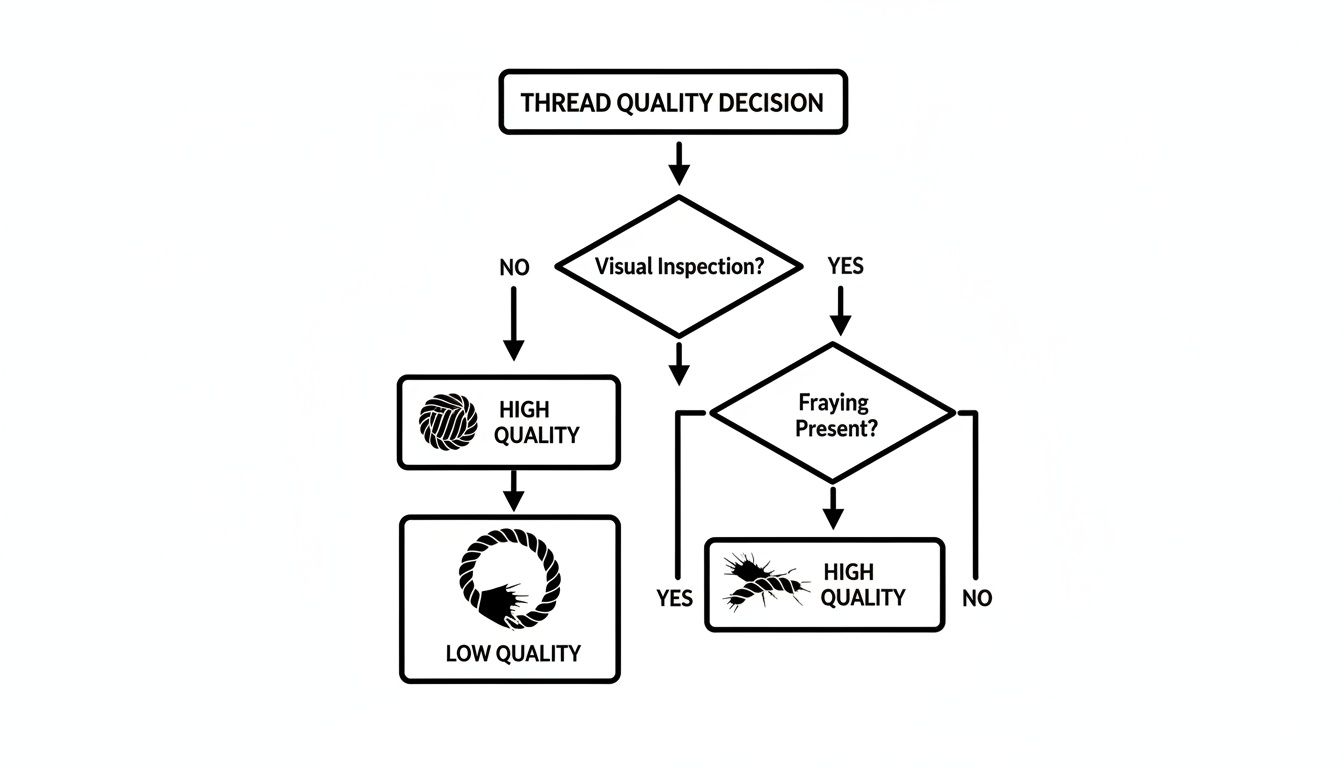
As you can see, starting with high quality yarn is the foundation for creating bedding that is both incredibly comfortable and built to last.
Your Guide to Thread Count Ranges
To make it even clearer, here’s a quick breakdown of what to expect from different thread count ranges.
| Thread Count Range | What It Feels Like | Best For |
|---|---|---|
| 200-300 | Light, crisp, and breathable. Like a classic cotton shirt. | Hot sleepers, summer months, or anyone who loves a fresh, airy feel. |
| 400-600 | Silky smooth, soft, with a subtle lustre and a lovely drape. | The ultimate all rounder for hotel style luxury and year round comfort. |
| 600+ | Denser, heavier, and exceptionally soft. | Those seeking an opulent, warming feel, especially in cooler climates. |
This table helps illustrate that the "best" choice is all about matching the feel to your personal preference for the perfect night's sleep.
Why Quality Matters More Than Just a Number
While your personal preference is what matters most, it helps to understand the general quality levels. In the bedding world, a 200-300 thread count is considered good, solid quality. Once you move into the 400-600 range, you are entering premium territory, which is where true luxury begins.
You can find sheets with counts above 600, but remember that a higher number does not automatically mean better quality or comfort. In fact, the growing UK luxury bedding market, which is projected to reach £138.5 million by 2035, is built on a demand for high quality cotton products that deliver on their promise of comfort, not just inflated numbers.
The goal is to choose sheets that feel incredible to you. There is no right or wrong answer, only what helps you achieve the most restful, restorative sleep possible.
Ultimately, your perfect thread count is a personal choice. Do you prefer a light, airy crispness or a silky, enveloping softness? By focusing on how you want your bed to feel, you can confidently pick sheets that will genuinely improve your rest.
For a deeper dive, our guide on finding the best thread count for sheets has even more tips.
How Fabric Weave Changes the Feel of Your Sheets
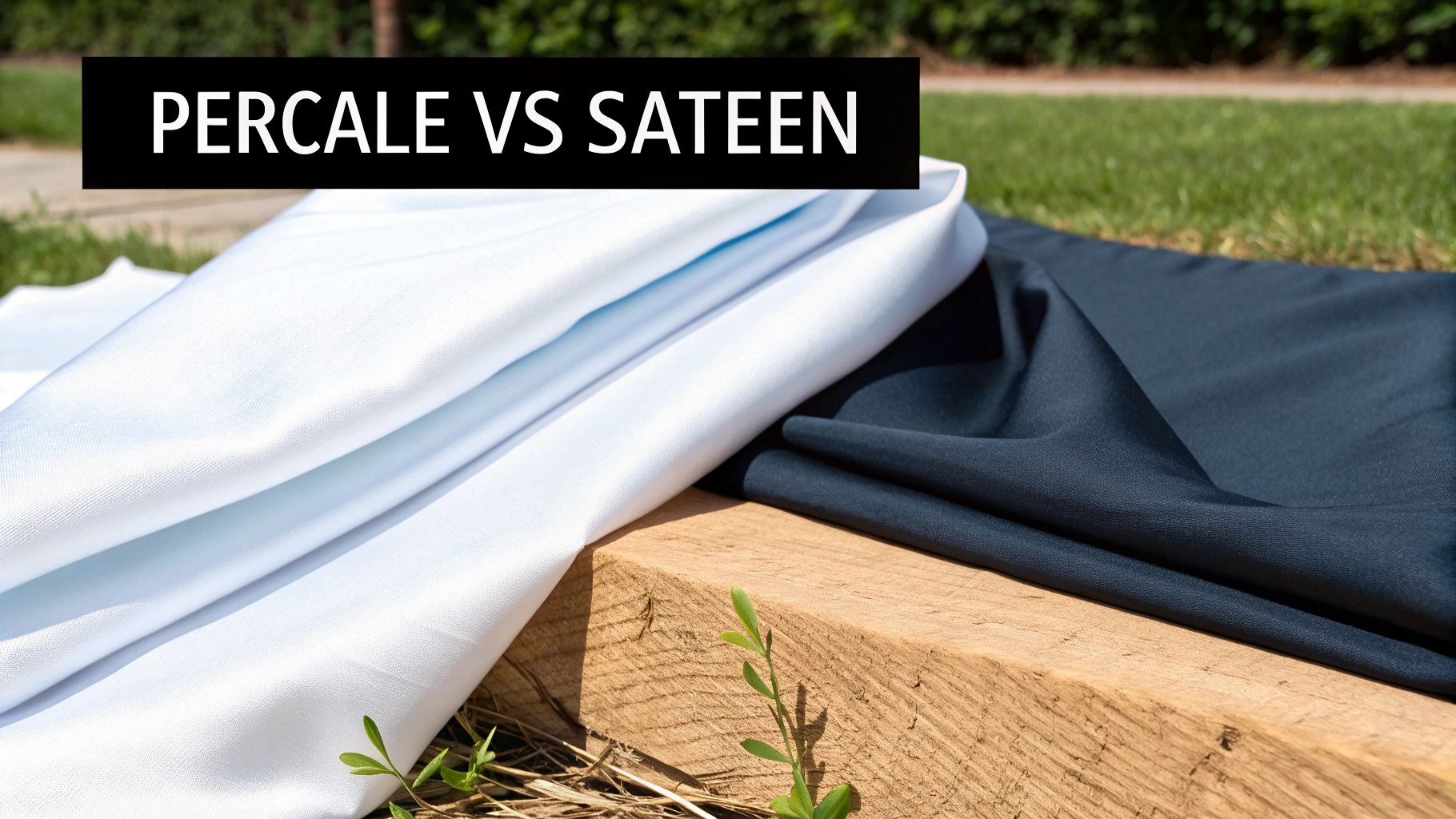
While thread count gives us a solid number to work with, it is only half the story. The other crucial element shaping how your bedding actually feels is the fabric weave, which is the specific pattern used to interlace the horizontal and vertical threads.
Think of it this way. You could have two sheets with the exact same 400 thread count, made from the very same high quality cotton. Logically, they should feel identical, right? Not necessarily. If one is woven as percale and the other as sateen, you will have two completely different experiences. Getting to know this difference is where you can truly start to tailor your bedding to your personal comfort.
The Cool Crispness of Percale
Remember the unmistakable feel of a freshly laundered, high end cotton shirt? That light, crisp, and airy sensation is the essence of a percale weave. It is achieved with a simple and classic one thread over, one thread under pattern.
This structure creates a tight, durable fabric with a signature matte finish. More importantly, it allows air to move freely through the material, which is fantastic news if you tend to sleep warm. Percale is your go to for that cool to the touch, refreshing feeling, especially on a warm night. You can learn more about its timeless appeal in our guide on what is cotton percale.
The Silky Smoothness of Sateen
If your idea of luxury is bedding that is buttery soft and drapes elegantly, then you will fall in love with sateen. The weave here is different, typically one thread under and three or four threads over. This clever technique exposes more threads on the surface of the fabric.
The result? That signature silky smooth feel and a subtle, sophisticated lustre that catches the light beautifully.
Sateen sheets feel a little more substantial and cosier than percale, making them perfect for creating that five star hotel indulgence right in your own home. The smoother surface also resists wrinkling, so your bed looks impeccably polished with less effort.
Ultimately, choosing between these two wonderful weaves is all about personal preference. It comes down to the feeling you want when you slip into bed at the end of a long day.
- Choose Percale if: You are after that crisp, cool, and breathable feel. It is the ideal match for hot sleepers or anyone who loves a classic, hotel crisp finish.
- Choose Sateen if: You crave a silky, smooth texture that is slightly warmer and has a touch of luxe. Its beautiful drape and subtle sheen bring instant opulence to the bedroom.
By looking beyond the numbers and considering the weave, you are making a much more informed decision. You are not just buying a thread count, you are choosing an experience and ensuring every night is a truly restorative one.
Why Fibre Quality Is More Important Than Numbers
We have talked a lot about numbers and weaves, but if there is one thing that truly defines exceptional bedding, it is something much more fundamental. The single most important factor is the quality of the cotton fibre itself. No matter what the thread count is, if the raw material is poor, the final fabric will never feel genuinely luxurious.
Think of it like hair. Long, healthy hair is naturally strong, silky, and does not tangle easily. In contrast, short, brittle hair can feel rough and weak. Cotton fibres are exactly the same. The very best bedding always starts with what are known as long staple cottons, such as premium varieties like Egyptian or Pima cotton.
These superior cottons produce fibres that are naturally long, fine, and strong. When they are spun into yarn, the result is incredibly smooth and consistent. Because these yarns are so inherently strong, they do not need to be artificially bulked up by twisting multiple strands together, which is how you get those beautiful single ply threads we mentioned earlier.
The Lasting Benefits of Better Fibres
Opting for bedding made from high quality, long staple fibres is an investment in comfort that genuinely lasts. The benefits you will feel go far beyond a soft touch on the first night.
- Incredible Softness: The natural length of the fibres means fewer tiny ends poke out from the surface of the fabric. This creates a finish that feels wonderfully smooth and gentle against your skin.
- Lasting Durability: Stronger fibres create a much more resilient weave. Your sheets will hold up to years of use and washing without thinning, fraying, or wearing out.
- Pilling Resistance: Have you ever noticed those annoying little bobbles that form on cheap sheets? That is pilling, and it is caused by short, weak fibres breaking and tangling. Long staple cotton is far more resistant to this, keeping your bedding smooth for years to come.
This appreciation for quality materials is a growing trend. The UK bed and bath linen market has expanded to an impressive £4.35 billion, largely because people are choosing to invest in better quality homewares. It is a clear sign that shoppers are prioritising comfort that stands the test of time.
Ultimately, a 400 thread count sheet made from superior long staple cotton will always feel more luxurious and outlast a 1000 thread count sheet made from short, coarse fibres. Quality trumps quantity every single time.
This is why it is so helpful to understand what makes the best bed sheets material for your home. When you start looking beyond the number on the packaging and focus instead on the quality of the fibre, you give yourself the power to choose bedding that truly delivers on its promise of comfort, night after night.
Your Thread Count Questions Answered
We have unpacked a lot about thread count, but you might still have a few questions lingering. Let's tackle some of the most common ones so you can feel completely confident when picking out your next set of sheets.
Does Thread Count Matter for Fleece or Duvets?
In a word, no. Thread count is a term that only applies to woven fabrics like cotton, bamboo, or linen. It is purely a measure of how many threads are woven into one square inch of the material.
When you are shopping for other bedding, you will want to look at different markers of quality. For a cosy fleece blanket, its quality is all about weight, measured in GSM (grams per square metre). For duvets, the magic lies in fill power and the type of filling used, which dictates its warmth and luxurious puffiness. So, while thread count is king for your sheets, remember to switch gears for your other bedding layers.
How Should I Care for High Thread Count Sheets?
To keep those beautiful, high quality sheets feeling soft and looking pristine, a bit of gentle care is all it takes. The goal is simple, to protect the fine, long staple fibres that give them their lovely feel.
- Wash Gently: Always opt for a cool or warm cycle with a mild, pH neutral detergent. Harsh chemicals are the enemy of fine cotton.
- Skip the Fabric Softener: This might sound strange, but fabric softeners often coat the fibres with a waxy residue. Over time, this can actually reduce their natural softness and make them less breathable.
- Dry on Low Heat: High temperatures are a fast track to damaged cotton threads. Tumble dry on a low setting and pull them out as soon as they are done to keep wrinkles at bay and the fabric feeling fantastic.
Are Higher Thread Count Sheets Warmer?
They can be, yes. But it is less about sheer warmth and more about breathability. A sheet with a sky high thread count has a very dense and tight weave. Think of it like a barrier, where less air can pass through, which in turn traps more of your body heat.
This is a dream if you are someone who is always cold and loves to feel extra snug at night. However, if you tend to sleep warm, you might find that same dense sheet feels a bit stuffy. For you, a moderate thread count of 300 to 400 in a breathable percale weave would be a much better fit, allowing for plenty of air circulation to keep you cool and comfortable all night long.
The right bedding is a cornerstone of a good night's rest. By understanding these details, you can create a sleep environment that feels perfectly suited to you, helping you wake up refreshed and restored.
While selecting the right bedding is crucial for comfort, optimising various aspects of your routine can also significantly contribute to a restful night. For a more holistic approach, you can explore further insights on improving sleep quality naturally.
At Morgan & Reid, we believe the perfect night’s sleep starts with bedding that feels just as good as it looks. Explore our collection of beautifully crafted sheets and comforters to find your ideal match.
Discover your perfect bedding at https://www.morganandreid.com.
Share:
What Is Cotton Percale? A Guide to Crisp and Cool Bedding
The Best Fabric for Sheets: A Guide to Your Perfect Sleep