



If you regularly battle with overheating at night, you will know how frustrating it is. A cooling duvet cover might just be the simple, effective answer you have been looking for. These covers are cleverly designed using breathable fabrics that help keep your body temperature in check.
The goal is to prevent those restless, sweaty nights that leave you feeling drained. For anyone who tends to sleep warm, they are an essential for getting more comfortable, deep rest.
Tired of Tossing and Turning on Warm Nights?
Waking up in a tangle of sheets, feeling sticky and uncomfortably warm, is a familiar story for many. It turns what should be a peaceful sleep into a nightly fight with your duvet. You kick it off, only to feel a chill moments later. You pull it back on, and the cycle of overheating begins all over again.
This constant disruption is more than just an annoyance, it seriously breaks up your sleep. It stops you from reaching those deep, restorative stages that your mind and body desperately need to recharge.
This is precisely where a cooling duvet cover changes things. It is not just a luxury for those sweltering summer nights. It is a year round solution for anyone who naturally runs hot, deals with night sweats, or simply wants that feeling of uninterrupted comfort. By using smart, breathable materials, it gets right to the root of the overheating problem.
Why Temperature Matters for Sleep
Our bodies are designed to cool down slightly as we drift off to sleep. It is a natural trigger that helps us stay asleep. When your bedding traps heat, it actively works against this biological process.
A good cooling duvet cover helps create the perfect microclimate under the covers, one that supports your body’s natural sleep cycle instead of fighting it. If you are struggling with this, our guide on how to sleep better at night has even more practical tips.
This is not just a niche issue affecting a handful of people. A significant 62% of adults in the UK report that being too warm disrupts their sleep. The right cooling fabrics can genuinely make a difference, with some able to lower skin temperature by 2 to 3°C, turning restless nights into deep, restful recovery.
The beauty of a cooling duvet cover is its simplicity. It lets you keep the cosy, comforting weight of your favourite duvet without the unwanted warmth, providing a perfectly balanced and peaceful sleep environment.
Ultimately, choosing a cooling duvet cover is an investment in your own wellbeing. It promises fewer interruptions and more mornings where you wake up feeling properly refreshed and ready to face the day.
How a Cooling Duvet Cover Actually Works
Ever wondered what the secret is behind a cooling duvet cover? It is not magic, but rather some very clever fabric science designed to tackle overheating directly. Instead of trapping your body heat like a thermos, these covers work actively to create a more balanced and comfortable sleeping temperature all night long.
The basic idea is quite simple. A standard duvet cover can often act like an insulator, holding in the heat your body naturally produces. For a warm sleeper, this quickly becomes too much, leading to that familiar cycle of kicking the covers off only to pull them back on again later. A cooling cover, however, is built differently.
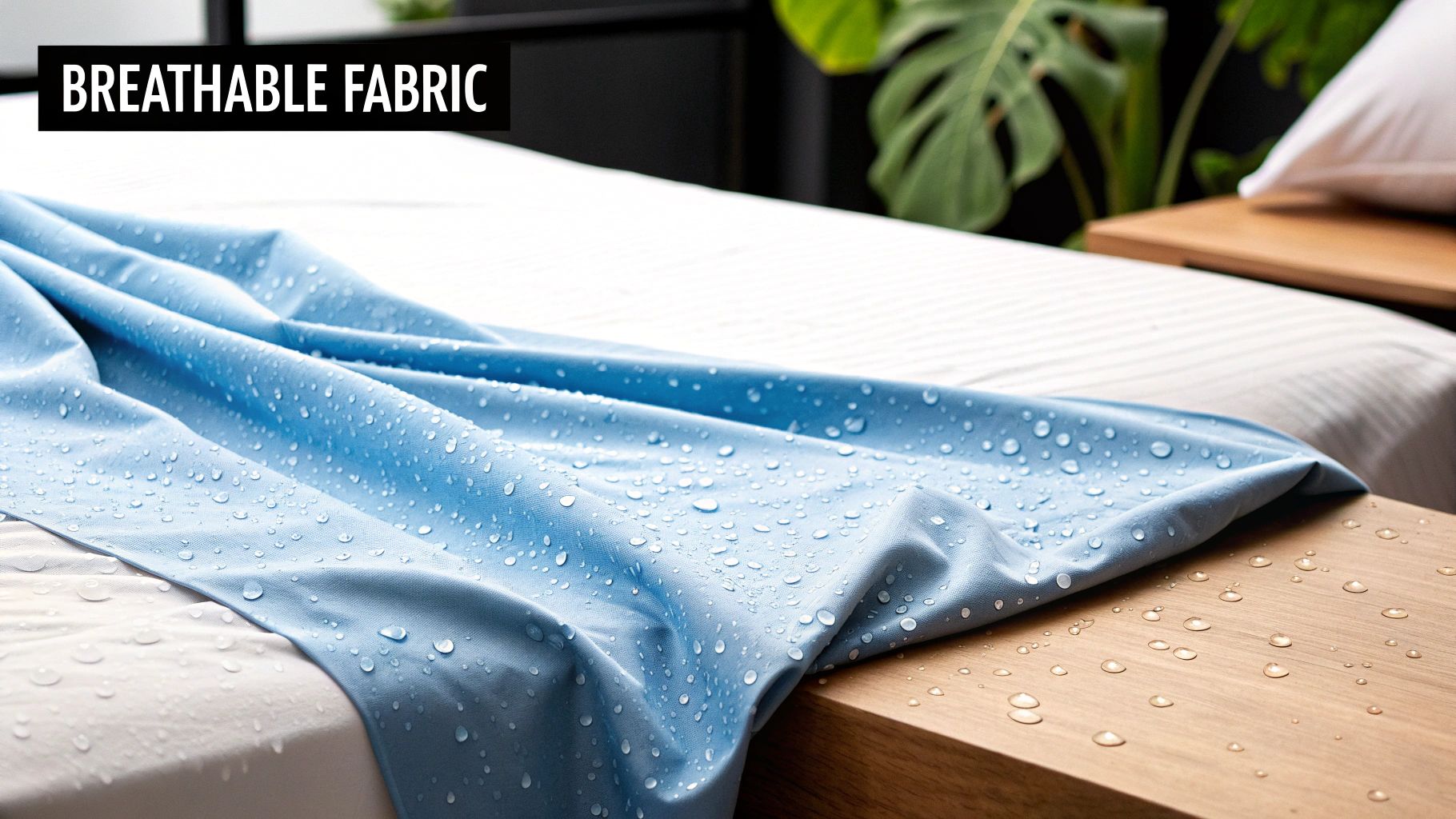
The Three Pillars of Cool Comfort
Most cooling duvet covers use one or more of three main strategies to keep you comfortable. Each approach helps to manage heat and moisture, ensuring you stay dry and settled throughout the night without ever feeling chilly.
The technology behind this is not just for bedding. Think of modern sportswear that keeps athletes dry and comfortable even during intense activity. Your cooling duvet cover uses similar principles, just adapted for a perfect night’s sleep. They work by focusing on:
-
Exceptional Breathability: This is the foundation. These fabrics have a weave that allows air to flow freely through the material. This constant circulation stops warm, stale air from getting trapped around your body, letting excess heat escape naturally.
-
Moisture Wicking: Many cooling fabrics are brilliant at pulling moisture, such as sweat, away from your skin and spreading it across the fabric's surface. This allows it to evaporate much faster, which has a natural cooling effect and keeps you feeling dry and fresh.
-
Smart Temperature Regulation: Some advanced fibres are designed to actively manage temperature. They can absorb and store excess body heat when you are warm and then release it back if your temperature drops, creating a more stable microclimate under the duvet.
The real goal of a cooling duvet cover is to achieve thermal neutrality. It is not about making you feel cold, but about helping your body maintain its ideal temperature for deep, uninterrupted sleep.
Practical Benefits You Can Feel
Understanding the science is one thing, but what does this actually mean for your nightly routine? It means you can finally enjoy the comforting weight of a duvet without the stuffiness. For many, this simple change can lead to falling asleep faster and waking up less often during the night.
This approach lets you pair a cooling duvet cover with your existing duvet, making it a versatile and cost effective choice. If you are curious to explore more ways to create the ideal sleep environment, our complete guide to cooling bedding offers even more helpful insights. Ultimately, it is about creating a bed that works with your body, not against it, for consistently better rest.
Choosing the Best Fabric for Your Cooling Duvet Cover
When you are searching for a cooling duvet cover, the fabric is everything. It is the single biggest factor that will determine how comfortable you feel throughout the night. The right material works with your body, not against it, to keep your temperature just right. Let us walk through some of the best choices out there, looking at how they actually feel and perform when you are trying to get a good night's sleep.
Bamboo For Silky Softness
If you love a silky smooth feel, bamboo is a fantastic choice. Often compared to high end silk, this natural fabric is incredibly soft and glides over your skin. Its real magic, though, is in its breathability. Bamboo allows air to move freely, preventing that stuffy, trapped heat feeling that can wake you up.
It is also a champion at wicking moisture away from the body, making it a lifesaver for anyone who struggles with night sweats. As a bonus, bamboo is naturally hypoallergenic and antibacterial, which is great news for those with sensitive skin.
Tencel™ Lyocell For Sustainable Cool
Tencel™ Lyocell is another brilliant material, well known for its powerful cooling capabilities. It is crafted from sustainably sourced wood pulp, resulting in a fabric that is exceptionally smooth and gentle to the touch.
What makes Tencel™ stand out is its superior moisture management. It is even more absorbent than cotton, actively drawing sweat away from your skin to keep you feeling dry and comfortable all night long. This remarkable efficiency makes it a top tier option for creating the perfect sleep climate.
With more of us prioritising comfort at home, the demand for better bedding has soared. Materials like Tencel™ are at the forefront, with studies showing they can improve airflow by 40%, helping to reduce night time disruptions for a more restful sleep.
Linen For Airy, Timeless Comfort
For those who prefer a more classic, slightly textured feel, you simply cannot beat linen. It is famous for its incredible natural breathability and light, airy quality that feels crisp and fresh the moment you climb into bed.
Linen has that effortlessly relaxed, lived in look that only gets softer and more inviting with every wash. While its texture is different from the silky feel of bamboo or Tencel™, its legendary ability to stay cool and fresh offers timeless comfort that will last for years.
The recent move towards creating calmer home sanctuaries has led to a 22% rise in demand for high quality bedding. With around 45% of UK women experiencing hot flushes, a breathable cooling duvet cover is shifting from a simple luxury to a practical necessity. For more on this, you can find detailed analysis in the Spherical Insights on the UK bed linen market report.
To help you decide, here is a quick rundown of how these popular fabrics stack up against each other.
A Quick Comparison of Cooling Duvet Cover Fabrics
This table helps you compare the most popular cooling fabrics to find the perfect one for your bed.
| Fabric | Best For | Feel | Breathability | Care |
|---|---|---|---|---|
| Bamboo | Silky smoothness & sensitive skin | Buttery soft, like silk | Excellent | Gentle wash, low heat |
| Tencel™ | Ultimate moisture wicking | Sleek & gentle | Exceptional | Gentle wash, low heat |
| Linen | A crisp, classic & airy feel | Textural, gets softer over time | Superior | Machine washable, softens with use |
Ultimately, the best choice comes down to personal preference. Do you love the buttery softness of bamboo, the sleek efficiency of Tencel™, or the timeless, airy quality of linen? Each one offers a fantastic solution for staying cool.
A Note on Cotton
While we are focusing on these specialised cooling fabrics, it is worth giving cotton a mention. Certain cotton weaves, particularly percale, are known for their crisp, cool, and breathable feel. If you are a fan of that traditional cotton experience, you can dive deeper into its unique qualities in our guide explaining what is cotton percale. For pure temperature regulating performance, however, Bamboo, Tencel™, and Linen generally have the upper hand.
Your Simple Checklist for Buying the Right Cover
Now that you are clued up on the different fabrics, it is time for the fun part, choosing your perfect cooling duvet cover. Beyond the material, a few other details can make all the difference to your comfort and convenience. This simple checklist will walk you through the final steps, helping you find a cover that not only feels amazing but also fits seamlessly into your home.
A great starting point is to think about how you want your bed to feel. Do you love a silky smooth touch, a crisp hotel bed vibe, or something light and airy? This decision tree can help you visualise which fabric type might be the best match.
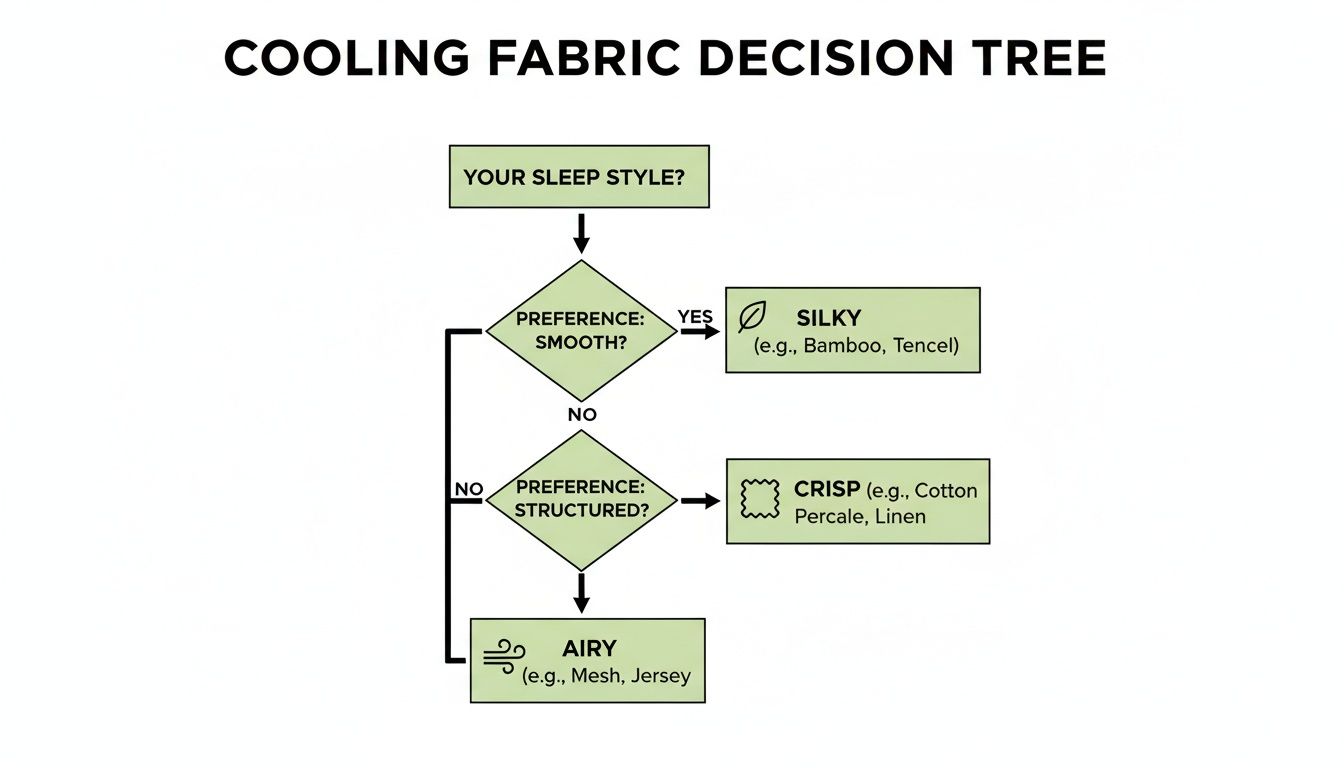
As you can see, knowing whether you prefer a silky, crisp, or airy feel points you directly to the best fabric, making the whole decision a lot more straightforward.
Weave and Thread Count Explained
The way a fabric is woven has a huge impact on how it feels against your skin. A percale weave, for instance, gives you that crisp, cool, matte finish reminiscent of a freshly laundered shirt. If you prefer something softer, a sateen weave creates a silkier, smoother surface with a subtle lustre that feels incredibly luxurious.
You have probably heard a lot about thread count, too, but higher is not always better when it comes to staying cool. A really high thread count can result in a dense, heavy fabric that traps air, exactly what you do not want. For optimal cool comfort, a thread count between 200 and 400 is usually the sweet spot, striking the perfect balance between softness and breathability.
Health and Safety Certifications
When you are choosing something you will spend every night wrapped in, you want to know it is safe. Keep an eye out for the Oeko-Tex Standard 100 certification on the label.
This is an independent, global guarantee that every single component, from the fabric right down to the thread and buttons, has been rigorously tested for harmful substances. It is your assurance that your new bedding is genuinely healthy and safe to sleep in.
Choosing certified bedding means you are not just investing in better sleep but also in a healthier home environment, free from unnecessary chemicals.
Practical Details Matter
Finally, do not forget the small but mighty practicalities. A zip closure, for example, is often quicker and easier to manage, creating a tidy, seamless look at the foot of the bed. On the other hand, classic button closures offer a more traditional, decorative finish.
Getting the size right is also crucial for both comfort and aesthetics. Be sure to measure your duvet before you shop. A cover that is too large will look baggy and untidy, while one that is too small will cause the duvet to bunch up uncomfortably inside. For more tips on getting these details just right, explore our full guide on how to choose bedding that you will love for years to come.
How to Care for Your Cooling Bedding
You have invested in a fantastic cooling duvet cover to get a better night's sleep, and with the right care, it will keep you comfortable for years to come. The great news is, these advanced fabrics are not high maintenance at all. A few small tweaks to your laundry routine are all it takes to keep your bedding feeling fresh, soft, and effective.
The golden rule is gentleness. The specialised fibres in materials like Bamboo or Tencel™ just need a little extra thought to protect their unique structure and cooling properties. Treating them kindly preserves their signature softness and moisture wicking magic, so they can keep doing their job night after night.
Simple Steps for Washing and Drying
Washing your cooling duvet cover properly is the most critical part of its care. The trick is to avoid harsh chemicals and high heat, as these can break down the delicate fibres over time. A mild approach is all you need to keep it in prime condition.
For the best results, just follow these simple steps:
- Wash in Cool Water: Always use a gentle cycle with cool or lukewarm water, ideally no more than 30°C. This protects the fibres from damage and prevents any potential shrinking.
- Use a Mild Detergent: Stick to a gentle, pH neutral liquid detergent. It is best to steer clear of fabric softeners and bleach, which can leave a residue that clogs the fabric's pores and hampers its breathability.
- Line Dry if You Can: The best method by far is to hang your cover on a clothesline. Fresh air is fantastic for maintaining its shape and softness. If you must use a tumble dryer, choose the lowest heat setting and take it out as soon as it is done to minimise wrinkles.
Following these simple care tips does more than just clean your bedding. It actively preserves the cooling technology woven into the fabric, making sure your investment continues to pay off with countless nights of comfortable sleep.
Getting to grips with the symbols on your bedding's care label can also be a huge help. If you are ever unsure what a particular icon means, our handy guide to decoding fabric care symbols can clear things up in a jiffy. By taking these easy steps, you will ensure your cooling duvet cover remains a durable and dependable part of your perfect sleep sanctuary.
Building Your Ideal Cool Sleep Setup
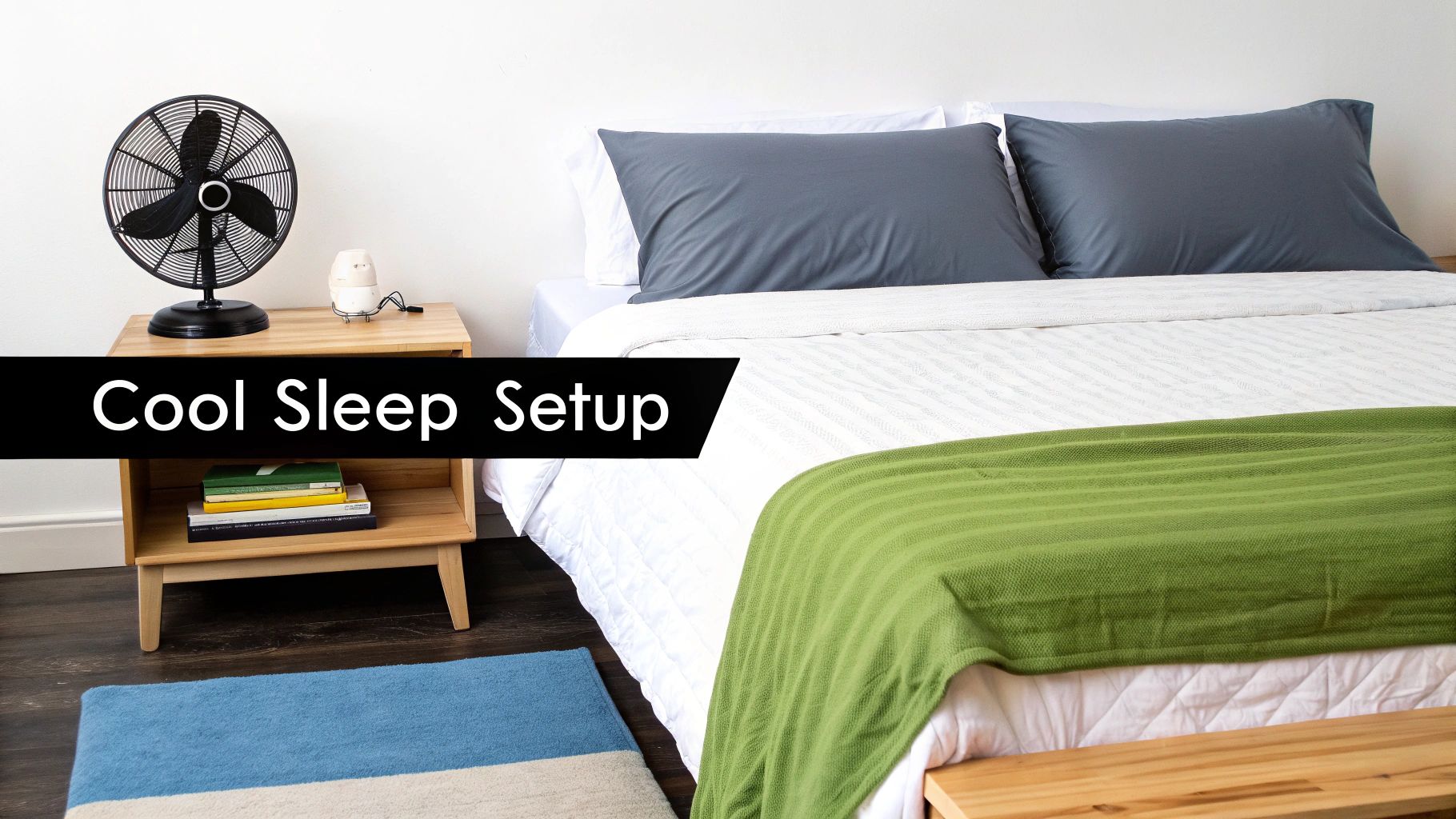
A cooling duvet cover is a brilliant starting point for a better night's rest, but it truly shines as part of a complete sleep system. Think of it as the star player on a team, every element works together to keep you comfortable. Understanding how it fits with your other bedding helps you create the perfect setup for your personal needs.
You can mix and match different layers to get the temperature just right. For some, a cooling duvet cover is the only upgrade needed. For others who run particularly hot, a full cooling ensemble might be the answer.
Finding Your Perfect Combination
The secret is to layer your bedding thoughtfully. A cooling duvet cover can be paired with cooling sheets for maximum effect or simply used on its own to transform your existing duvet. It is all about creating a personalised microclimate that feels right for you.
Here are a few ways to combine your bedding for ultimate comfort:
- The All Rounder: A cooling duvet cover with a standard all seasons duvet. This is a great setup for most people, letting the cover’s breathable fabric do the heavy lifting while you enjoy the familiar comfort of your favourite duvet.
- The Summer Essential: Combine your cooling cover with a lightweight, summer tog duvet. This provides just enough weight to feel cosy without adding any unnecessary warmth on those balmy nights.
- The Ultimate Cool Down: For the hottest sleepers, pairing a cooling cover with a full set of cooling sheets offers top to bottom temperature regulation. This creates an incredibly airy and refreshing sleep environment.
Since many UK homes do not have air conditioning, these covers are a practical way to manage your sleeping temperature. Research into fabric technology shows they can reduce night sweats by up to 30%, which makes a real difference to your comfort.
For Morgan & Reid fans, try slipping a cooling duvet cover over one of our signature Snuggle Comforters. It offers fantastic year round versatility. You get all the snuggly warmth you love in winter, with an added layer of cool, breathable bliss in summer.
Beyond the Bedding
Creating your perfect cool sleep setup does not have to stop with your bedding. The environment of your entire room plays a huge part in how well you sleep.
Simple adjustments can support the work your cooling duvet cover is doing. Looking beyond your bed, integrating some practical tips to cool a room without AC can significantly improve your overall sleep environment, ensuring you stay comfortable from the moment you lie down until you wake up refreshed.
Your Questions Answered
We get a lot of questions about how cooling duvet covers work and how to choose the right one. Let us tackle some of the most common queries to help you feel confident about making the switch.
Can I Use a Cooling Duvet Cover in Winter?
You certainly can, and many hot sleepers do just that. The magic of these covers is not about making you cold, but about regulating your temperature.
In winter, a good cooling duvet cover stops you from overheating under your cosy, thicker duvet. It wicks away excess warmth and moisture, keeping you at that just right temperature all night long.
Will a Cooling Duvet Cover Feel Cold When I Touch It?
Not in the way you might think. While some high tech fabrics have a noticeably cool sensation at first touch, the main goal is breathability and preventing heat from getting trapped.
Think of it less like an air conditioner and more like a smart thermostat for your bed. It works to help your body maintain a stable, comfortable temperature, rather than actively making you feel chilly.
How Long Do the Cooling Properties Actually Last?
This is a great question. For covers made from naturally breathable materials like bamboo, linen, or Tencel™, the cooling effect is woven right into the fabric's structure. It is not a chemical coating that will wash out over time.
As long as you follow the care instructions, these properties will last for the entire life of the duvet cover. It is an inherent benefit of the material itself.
Are Cooling Duvet Covers a Good Choice for Sensitive Skin?
Yes, many are fantastic for sensitive skin. Fabrics like bamboo and Tencel™ are naturally hypoallergenic and known for being incredibly soft and smooth. They glide over the skin rather than rubbing, which helps to reduce irritation.
For an extra layer of confidence, look for an Oeko-Tex certification. This is your guarantee that the fabric has been tested and found to be completely free of harmful substances, making it a safe and healthy choice for you and your family.
Ready to transform your sleep? Explore the beautiful and thoughtfully designed bedding collections at Morgan & Reid to create your perfect sleep sanctuary. See the full range at https://www.morganandreid.com.
Share:
The Truth About Thread Count for Bedding
Your Guide to the All Seasons King Size Duvet