


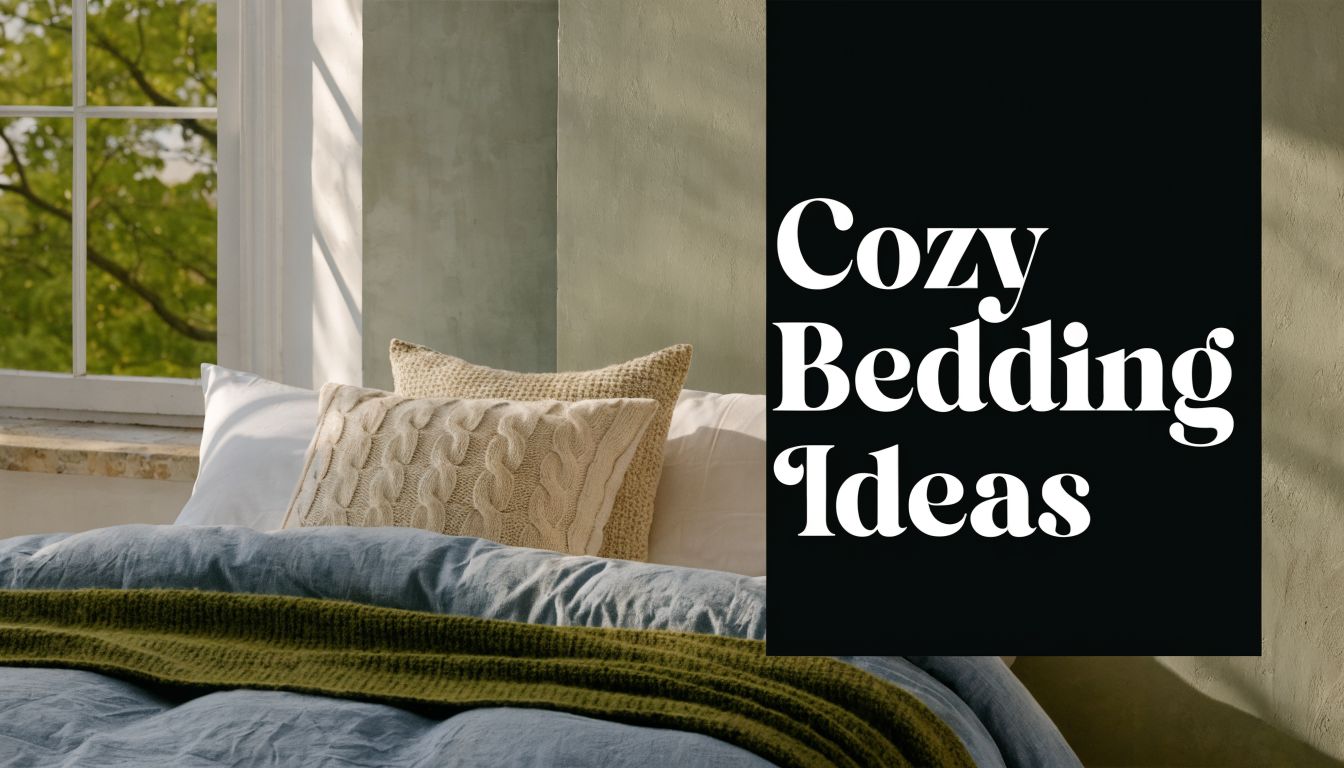
You know the feeling. It’s late, the house is finally quiet, and you’re staring at a bed that somehow looks more like a pile of chores than a place to switch off. The cover needs straightening, the extra blanket is half on the floor, and the whole thing feels fussy when what you want is simple comfort.
That’s why good cozy bedding ideas matter. A welcoming bed shouldn’t ask for a lot from you. It should feel warm, soft, easy to maintain, and pulled together without needing a full styling session every night.
For UK homes, this matters even more. Poor sleep quality affects 32% of adults, and 68% of respondents prioritise soft, layered bedding for a cosy sleep environment, according to the Sleep Council survey cited by Driven by Decor. When winter temperatures commonly sit around 2 to 7°C, your bedding has to work hard without becoming a tangled mess.
Transform Your Sleep From a Task into an Experience
A good bed changes the end of your day. It softens the landing after school runs, emails, dinner, washing up, and all the little jobs that stretch into the evening. If your bed feels cold, cluttered, or awkward to make, it doesn’t feel restful. It feels like another thing to sort out.
That’s why I’m firmly in favour of stripping things back. You do not need layers upon layers just to create comfort. You need a bed that feels inviting the second you walk into the room, and even better when you slip into it.
Make comfort the main event
The smartest cozy bedding ideas start with one clear goal. Your bed should feel easy to use every single day. That means fewer awkward layers, fewer pieces to wrestle into place, and fabrics that feel good against the skin.
A lot of people still treat the bed like a formal display. They pile on blankets, decorative covers, and extra cushions, then spend half the week pulling it all apart. I think that’s backwards. Daily comfort matters more than ceremony.
Practical rule: If making your bed takes too long, your setup is too complicated.
Soft, cocooning bedding creates that retreat feeling people want. It also works visually. A fuller comforter, relaxed sheets, and one throw can make a bed look polished without that stiff showroom look.
Why simpler bedding works for busy homes
The appeal is obvious. You get warmth, texture, and that cloud-like finish, but without turning bedtime into a routine of layering and adjusting. Modern comforters make sense because they cut out effort. They give you the look and the function in one go.
That’s especially helpful if you want your bedroom to feel calm, not crowded. A single well-chosen comforter can do more than a stack of random bedding ever will. It gives the room shape, softness, and an easy sense of order.
If you want your bed to feel more considered overall, the styling tips in this hotel-style bed guide from Morgan & Reid are worth a look. The useful takeaway is simple. A luxurious bed usually isn’t about more stuff. It’s about better choices.
The Building Blocks of a Perfectly Cozy Bed
Cozy bedding often goes wrong in one of two ways. They either underdo it and end up with a bed that feels flat and chilly, or they overdo it and wake up sweaty, tangled, and annoyed. The sweet spot sits in the middle.
For UK winters, comforters with a tog rating of 10.5 to 13.5 are recommended, and over-layering accounts for 42% of sleep comfort complaints leading to night sweats, according to the bedding guidance cited by Spaces in Bloom Designs. That’s why your core layer matters so much.
Here’s the visual cheat sheet.

Start from the bottom, not the top
The best beds are built in order. If the base feels wrong, no throw or cushion will save it.
Foundation
Your mattress and bed frame do the quiet work. If the mattress is tired or unsupportive, the bed never quite feels right, however nice the bedding looks.
A topper can help if you want a softer feel without replacing the mattress. This is especially useful in guest rooms or older homes where the bed itself may be firmer than you’d like.
Base layers
Use a mattress protector. It isn’t glamorous, but it keeps the bed fresher and helps everything last longer.
Then add your fitted sheet. I prefer natural fibres for this layer because that’s what sits closest to your skin and affects comfort first.
Choose fabrics that solve a real problem
Not every material deserves a place on your bed. Pick each one because it does a job.
- Cotton for balance, it feels breathable, easy to wash, and familiar. It’s a safe everyday choice.
- Linen for relaxed texture, it gives that slightly rumpled, airy look that makes a bed feel lived in rather than overstyled.
- Fleece for warmth, it creates instant softness and is especially useful if you want the bed to feel cosy the moment you get in.
- Wool for depth, a wool throw at the end of the bed adds substance and helps the bed look finished.
If you want a broader overview of how each bedding piece fits together, this complete guide to bedding from Critelli Furniture is a handy reference.
Build the bed in three useful layers
This is the setup I recommend for most homes.
| Layer | What to use | Why it works |
|---|---|---|
| Base | Fitted sheet and pillowcases | Keeps the bed breathable and clean |
| Core | Comforter or duvet at the right tog | Gives the bed its main warmth and shape |
| Finish | One throw or coverlet | Adds texture without overheating you |
This is also why I like the advice in Morgan & Reid’s bedding layering journal. It keeps the focus on enough layering, not endless layering.
A cozy bed should feel generous, not heavy.
Keep the finishing touches under control
Pillows and throws should support the look, not bury it. One textured throw folded at the foot of the bed usually does more than three random blankets tossed everywhere.
Aim for contrast in feel, not clutter in volume. Crisp sheet, soft comforter, nubby throw. That mix gives the bed depth and makes it look expensive, even if the pieces themselves are simple.
Creating a Minimalist Sanctuary for Small Spaces
Small bedrooms get messy fast. One chair becomes a clothes rail, spare bedding ends up on top of a chest of drawers, and suddenly the room feels cramped before you’ve even opened the wardrobe.
That’s why minimalist cozy bedding ideas work so well in flats, box rooms, and studio spaces. You need the bed to bring softness without bringing bulk.

One small-room bed recipe that always works
I’d style a compact room like this.
First, keep the palette quiet. Think oat, soft white, warm grey, muted stone, or pale blue. Light bedding reflects more light and makes the room feel calmer.
Second, reduce the number of separate pieces on the bed. In a small room, visual clutter matters just as much as physical clutter. A comforter with enough loft and softness to stand on its own is far more useful than a duvet plus cover plus extra blanket plus decorative quilt.
Third, leave some breathing space. Let the bed look full, but don’t cram every corner with cushions.
Use bedding that earns its place
For renters and students in smaller homes, storage is a real issue. Guidance highlighted by My Home Muse points out that practical advice on storing bulky comforters is often overlooked, even though easy-care, all-in-one bedding can make a big difference in compact spaces.
That rings true. If you don’t have a linen cupboard, every bedding item has to justify itself.
Here’s what I’d prioritise in a small bedroom:
- An all-in-one top layer, because it cuts down on folding, stuffing, and seasonal overflow.
- A throw with a purpose, either for extra warmth or to protect the end of the bed from pets or everyday use.
- Minimal pillow styling, enough to feel inviting, not enough to eat the bed.
One practical option in that setup is a Morgan & Reid Snuggle Comforter, because it gives you a soft top layer without needing the extra fuss of separate quilt covers and multiple blankets.
Make the room look bigger through the bed
This part is simple, but it works.
- Choose one dominant bedding colour so the eye doesn’t stop at every layer.
- Let the comforter drape cleanly instead of tucking everything tightly. Soft lines feel less boxy.
- Use slim bedside furniture and keep the floor as clear as possible.
- Store off-season bedding in one dedicated place, ideally under the bed or on a top shelf in a fabric storage bag.
In a small bedroom, the calmest bed is usually the prettiest one.
If you’re trying to pull together a compact bedroom without losing warmth, these apartment bedroom decorating ideas from Morgan & Reid fit nicely with this less-is-more approach.
Styling a Warm and Inviting Family Bedroom
A family bedroom has different demands. It still needs to feel grown up and restful, but it also has to cope with real life. Children climb in for stories, someone sits on the end of the bed to fold washing, and the room often becomes the quietest retreat in a busy house.
So don’t style it like a formal bedroom that nobody touches. Style it to be used.

Go for warmth that still feels organised
The easiest way to make a family bedroom feel welcoming is to use layers with different textures, but keep the colours connected. Soft neutrals, clay tones, olive, biscuit, faded blue, and warm ivory all work well because they hide daily life better than stark white and still look calm.
A bed in a family home should feel substantial. Not stiff, not precious, just settled. I like a base of natural fibre sheets, a comfortable middle layer, and one throw folded across the bottom third of the bed.
According to the bedding advice cited by Reviewed, an effective layering method uses natural fibre sheets, a medium-tog comforter, and a textured throw. The same guidance also notes that using too many pillows is a common mistake, with 52% of neck pain cases linked to that issue, and recommends keeping it to 3 to 5 pillows matched to sleep position.
What a family-friendly bed should include
A practical setup doesn’t need much.
- Washable top bedding, because accidents, snacks, and sticky fingers happen.
- A forgiving colour palette, since life with children is not crisp white all day long.
- A supportive pillow mix, enough for reading in bed, but not so many that they end up in a daily heap on the floor.
A king bed can look especially inviting with this arrangement:
| Part of the bed | Best approach | Why |
|---|---|---|
| Sleeping pillows | Keep to a sensible number | Easier to manage every morning |
| Main top layer | Use one comforter or duvet that looks full | Makes the bed look generous |
| Accent layer | Add one textured throw | Brings warmth and softness |
| Colour story | Stay within two or three tones | Keeps the room restful |
Add softness without making it childish
Family-friendly doesn’t mean themed. Skip loud prints that date quickly. Instead, bring in warmth through texture. Brushed cotton, fleece, knitted throws, and lightly quilted finishes all make the room feel kinder and more relaxed.
A welcoming family bedroom feels edited, not empty.
If your room needs a bit more personality, these bedroom styling ideas from Morgan & Reid can help you strike that balance between practical and polished.
Designing a Magical Kid's Snuggle Nook
Children respond to feeling before they respond to design. If a space feels soft, warm, and safe, they’ll use it. That’s the primary goal with a snuggle nook.
This doesn’t need to be elaborate. A child’s room feels special when it has one cosy corner that’s clearly theirs for reading, resting, or winding down.

Keep it soft, simple, and easy to tidy
The best kid-friendly bedding choices are the ones children can manage themselves. A single soft comforter is easier to pull up than several layers. That matters. If a child can help make the bed, the room stays neater and the whole setup feels more usable.
I’d build a kid’s snuggle nook with:
- One easy top layer, so bedtime doesn’t become a wrestling match.
- A few supportive cushions, enough for reading, not enough to create clutter.
- A soft throw or knitted blanket, for texture and quiet time.
- Gentle colours or playful checks, which feel cheerful without being overstimulating.
Add one comforting extra
This is also a lovely place for a warmable bedtime companion. If your child likes something soothing at bedtime, this guide on how Warmies stuffed animals work explains the idea clearly for parents who want to understand how they’re used.
You don’t need lots of extras to make the nook feel magical. A small bookshelf, a soft lamp, and bedding with a cosy finish usually do the job better than an overdecorated setup.
The mood should be calm, not chaotic. Think storybook comfort, not toy shop overload.
Keeping Your Bedding Fresh and Cozy All Year
Lovely bedding stops feeling lovely very quickly if it isn’t cared for properly. A beautiful bed can look tired in no time if the layers are dusty, flattened, or shoved into storage without a plan.
The answer isn’t a complicated routine. It’s a simple one you’ll stick to.
Use a seasonal bedding switch
Your bed should change with the weather, but not dramatically. Small swaps make the biggest difference.
Try this approach through the year:
- In colder months, bring in the warmer main comforter and keep a throw at the end of the bed for extra insulation.
- In milder weather, strip back the top layer and keep the bed lighter visually and physically.
- During warmer spells, store bulky extras so the room doesn’t feel heavy.
Fold off-season bedding neatly and store it somewhere dry and clean. If space is tight, use under-bed storage or a breathable fabric bag on a wardrobe shelf. Avoid cramming bedding into overstuffed cupboards where it gets crushed and stale.
Keep washing simple and consistent
Bedding lasts longer when you treat it regularly, not harshly. Follow the care label first, always. Then keep a steady rhythm with washing and airing.
For a practical baseline, Calibre Cleaning's bedding advice offers a useful refresher on keeping everyday bedding clean and comfortable.
Here’s the routine I recommend:
- Air the bed often, especially after busy weeks or damp weather.
- Wash sheets and pillowcases regularly so the whole bed feels fresher.
- Fluff comforters after washing to help the filling settle evenly.
- Store only when fully dry, because trapped moisture ruins bedding fast.
Don’t ignore the little details
Fresh bedding isn’t just about washing. It’s also about how the bed is made and maintained day to day. Straighten the top layer in the morning. Shake out throws. Open a window when you can.
If you want a straightforward guide to the basics, Morgan & Reid’s guide on how to wash bedsheets covers the everyday habits that keep bedding feeling good, not just looking good.
Bedding keeps its cosy feel when you care for it little and often, not once in a blue moon.
Your Cozy Bedding Questions Answered
Should a comforter be oversized
If you want that relaxed, full look, yes, a little extra drape helps. Just don’t go so large that it swamps the bed or trails awkwardly on the floor.
Can you mix fabrics on one bed
Absolutely. In fact, you should. A bed looks richer when it combines different textures such as crisp cotton, soft fleece, and a knitted or wool throw. The trick is keeping the colour palette connected.
How many pillows look good without becoming annoying
For most beds, less than you think. Keep the sleeping pillows practical and add only a small number of decorative ones if you’ll move them each night without resenting them.
What’s the easiest way to style a throw
Fold it into a long rectangle and place it across the foot of the bed. It looks tidy, adds texture, and doesn’t create a heap you need to fix every morning.
What makes a bed feel more luxurious fastest
Better texture, fewer fussy layers, and a top layer with enough loft to give the bed shape. That combination does more than a pile of accessories ever will.
If you want bedding that feels stylish, practical, and easy to live with, take a look at Morgan and Reid. Their approach suits real homes and real routines, especially if you want that cosy, pulled-together look without the usual fuss.
Share:
Why Do I Feel Tired After Sleeping? Causes & Fixes
Percale Bed Linen: A Guide to Crisp, Cool Sleep